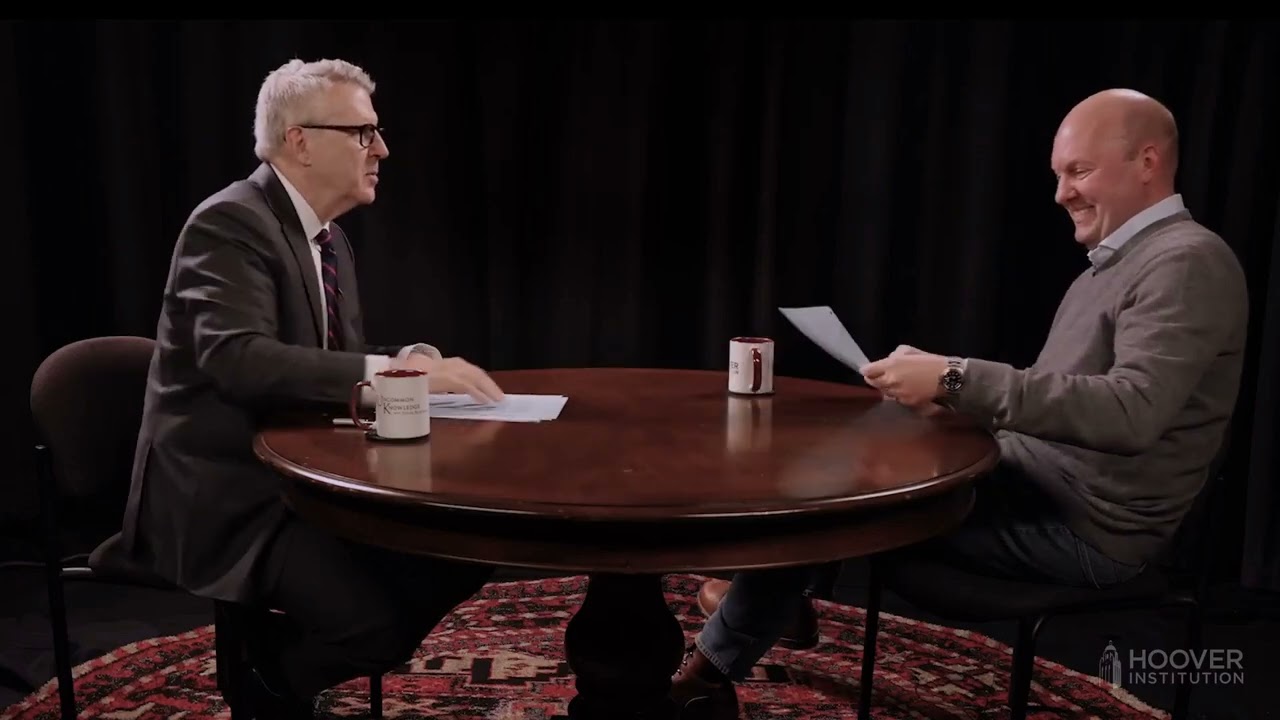
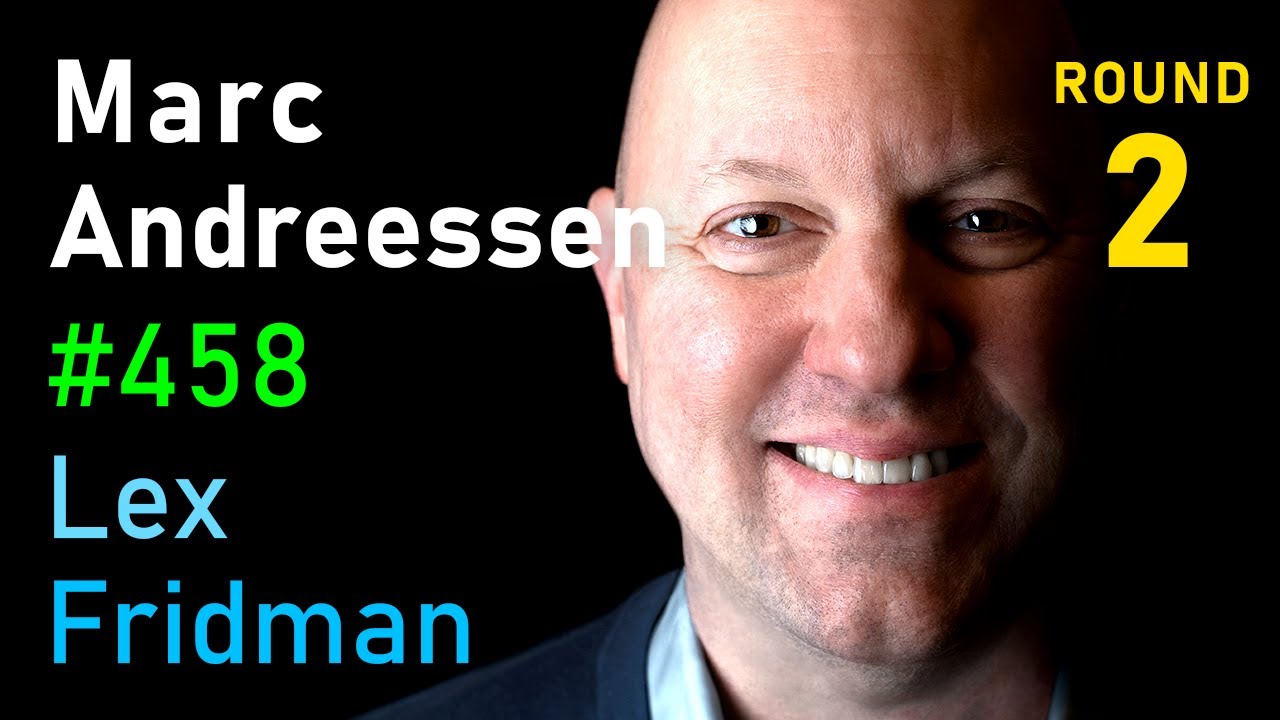
Marc Andreessen recently sat down with Anthropic co-founder Dario Amodei for a deep conversation. If you remember Marc’s famous line that “software is eating the world”, this talk felt like strapping a turbocharger onto that prophecy. They weren’t discussing conventional SaaS or mobile apps, but AI—a super-software that writes its own code, conducts PhD-level research, and even reshapes “bricks and mortar” industries like real estate. The setting was Marc’s show, but the spotlight was on Dario’s pragmatic timeline: powerful AI capable of doctoral-level research tasks will arrive around 2027. This isn’t some vague AGI definition battle; it’s a concrete milestone that’s closer than most people think.
Dario’s core argument is straightforward: forget the philosophical debates about AGI; when AI can reliably handle tasks that require years of doctoral training, the world has already transformed. He anchors this not to generic “write a paper” tasks but to the capacity of a Nobel-laureate-level scientist—systems that can independently ideate, design experiments, analyze data, and produce breakthrough results without constant human hand-holding. Once that happens, drug discovery, materials science, and even smart property management will be upended. When Marc pressed whether physical bottlenecks like chip shortages would hit earlier, Dario acknowledged that compute is a constraint but won’t be binding before 2027; the real gates are data quality, algorithmic leaps, and organizational capacity. And Anthropic’s core bet is that alignment and scaling must advance in lockstep—you don’t build the god first and only then scramble for a leash.
On the business front, Dario shoots down the idea of building consumer apps first. Anthropic is API-first, meaning Claude is positioned as an underlying agentic capability, leaving the user-facing layer to the ecosystem. This looks restrained but bets on a clear idea: the AI itself is the software that eats the world, not any specific app. Marc, with his investor hat on, probed where the moat lies. Dario’s answer: the defensibility isn’t in temporary user scale but in alignment prowess—whoever can train AI to be both powerful and safe will own the critical infrastructure layer. He also offers a counter-intuitive take: safety research isn’t homework you do after AI gets strong; it is the training process itself. From RLHF on Claude to Constitutional AI, Anthropic’s entire org design is an expression of that philosophy, essentially baking “how to keep AI from going rogue” into the product’s DNA.
Of course, this path has its trade-offs. Marc challenged whether the safety-first strategy risks losing speed to competitors who don’t care. Dario admitted the pressure is immense but emphasized that Anthropic isn’t racing for the “first AGI” gold medal; they’re racing for the top of the safety curve. If you sprint ahead and end up with an uncontrollable system, that’s a loss for everyone. He also touched on policy, framing export controls not as a way to halt technology but to buy time for alignment research—essentially saying we’re racing against risk, not just against other labs.
By the end, you feel Marc’s original line just got an upgrade: software is still eating the world, but now it’s doing so by devouring entire domains through AI. From the heaviest industries like real estate to the lightest yet most complex work like scientific research, everything is being redefined. Dario’s 2027 timeline isn’t sci-fi; it’s a pragmatic projection based on compute curves, data accumulation, and organizational iteration. For founders, this is the window of opportunity. For everyone else, it means “being eaten by software” won’t stop at disrupting brokerages—it could rewrite the very logic of how your house is valued.