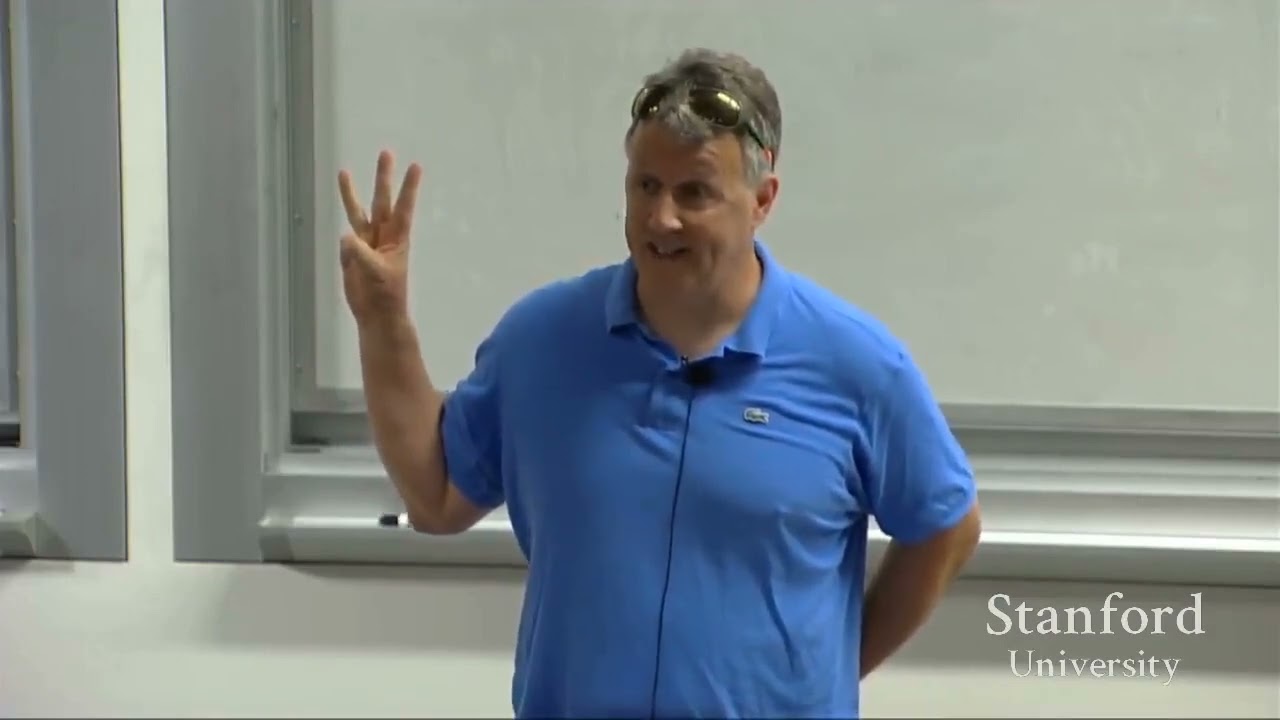
Paul Graham, co-founder of Y Combinator, opens this startup talk with a blunt warning: startups are deeply counterintuitive. He compares it to skiing—when beginners panic on a slope, their instinct is to lean back to slow down, but that only makes them lose control. In the same way, founders often feel like they're doing the right thing while accelerating toward failure. Graham insists that entrepreneurs must suppress their gut reactions and deliberately practice a set of counterintuitive moves, just like learning to ski.
Why is entrepreneurship so backwards? Because the decision-making patterns we rely on in daily life often fail in a startup context. For example, your instinct screams "make the product perfect before launch," but in reality, shipping an imperfect version early and getting yelled at by users can save you months of misguided effort. Having observed thousands of startups, Graham is adamant that founders need a "counterintuition checklist." YC partners keep repeating the same warnings—don't bring in investors too early, don't ignore user feedback—yet founders ignore them because the advice feels wrong, only to regret it later.
So what are these counterintuitive traps? Market selection: intuition aims for a massive audience, but startups usually succeed by first dominating a tiny niche. Growth speed: intuition says "scale fast," but premature scaling is a top killer. User feedback: instinct leans on surveys and reports, while the best insights come from deep, one-on-one conversations. Another example: "don't deceive users"—the temptation to exaggerate can temporarily boost numbers, but broken trust is near impossible to repair. When it comes to finding startup ideas, intuition chases hot trends, but Graham stresses following your own curiosity and solving a problem you actually care about, even if it seems insignificant. Even the college dropout myth gets challenged: while some legends quit school, most people should validate their idea first or have a safety net.
There are, of course, legitimate counterarguments. Some argue that startup success is mostly about luck or timing, and no amount of advice can change that. Icons like Steve Jobs famously trusted their intuition and built game-changing products, so instinct isn't always a bad thing. Moreover, counterintuitive advice is often too generic—a biotech startup faces a wildly different path from a social app, and what's true for Silicon Valley software might not hold elsewhere. Graham acknowledges this; YC's lessons are largely drawn from software-based companies, and applying them wholesale to other fields can be risky.
At its core, Graham is advocating for metacognition—the ability to step back and observe your own thinking. Founders need to recognize when their intuitive System 1 is running the show and deliberately engage the slower, more analytical System 2. Entrepreneurship is riddled with System 1 traps that feel right but lead nowhere. The goal is to practice counterintuitive decision-making until it becomes second nature, as automatic as a skier's carved turn. Ultimately, building a startup isn't about charging ahead on instinct; it's a constant struggle of self-correction and discipline.